

The Trump administration temporarily waives sanctions on Russian oil stranded at sea, providing a boost to the Kremlin
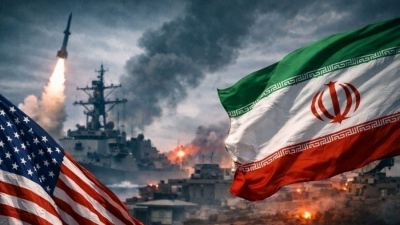
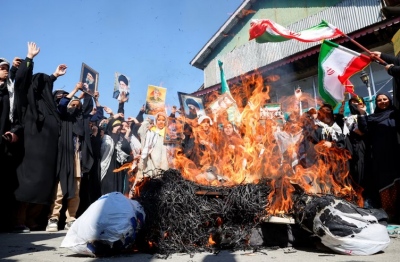
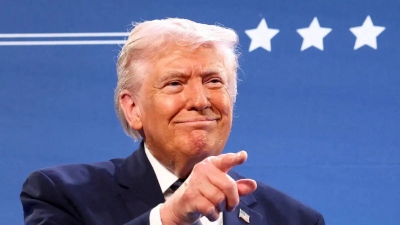
In what is being described as a moment of total humiliation for the Donald Trump administration, the government has shifted from "tough" rhetoric regarding global hegemony to a new announcement allowing countries to temporarily purchase certain Russian oil products currently stranded at sea. This reversal was announced on the same day that Brent crude prices surpassed $100 per barrel for the first time since August 2022, driven by the escalating war with Iran. This temporary easing of sanctions on Russian oil—from one of the world's largest exporters—comes despite previous US pressure on Russian energy firms intended to starve Moscow of the funds used to finance its war in Ukraine.
A written statement issued
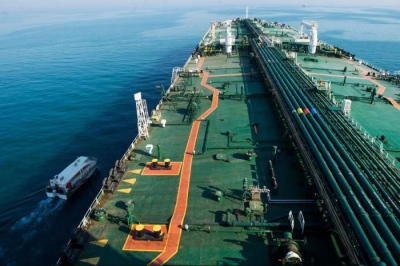
"To increase the global availability of existing supply, the US Department of the Treasury is providing a temporary authorization that allows countries to purchase Russian oil currently stranded at sea," wrote Treasury Secretary Scott Bessent on social media, in an apparent effort to avoid direct confrontation. "This measure is limited and short-term, applying only to oil already in transit. It will not yield a significant economic benefit to the Russian government, which derives the majority of its energy revenue from taxes imposed at the extraction stage," he clarified. The license, published on the Treasury website, applies only to Russian crude or petroleum products loaded onto vessels by March 12, allowing for the completion of these shipments until April 11.
Mounting criticism
Democratic Senator Jeanne Shaheen of New Hampshire, a senior member of the Senate Foreign Relations Committee, criticized the decision via social media. "While Putin assists Iran in targeting Americans in the Middle East, the POTUS is filling the Kremlin's war chest. Instead of pressuring the struggling Russian economy, the President's ill-conceived war is handing Putin unexpected profits while American families face higher prices," she stated. CNN had previously reported that the US granted Indian refineries a 30-day waiver to purchase Russian oil already at sea, a move Bessent previously claimed was intended "to keep oil flowing into the global market."
The Hormuz deadlock
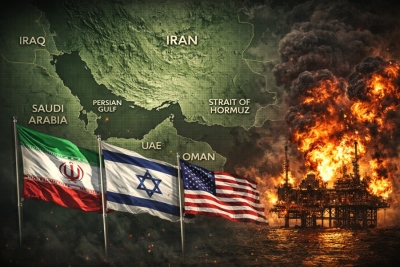
The war, now entering its second week, has effectively resulted in the closure of the Strait of Hormuz to tanker traffic. This critical passage facilitates the transport of approximately one-fifth of the world’s oil supply. Consequently, oil prices have skyrocketed, while analysts, economists, and traders warn that even a swift end to the conflict does not guarantee the immediate reopening of the waterway. As the energy crisis worsens, many nations are attempting to mitigate the economic fallout by reducing consumption, imposing fuel price caps, and tapping into their strategic emergency reserves.
www.bankingnews.gr



Σχόλια αναγνωστών